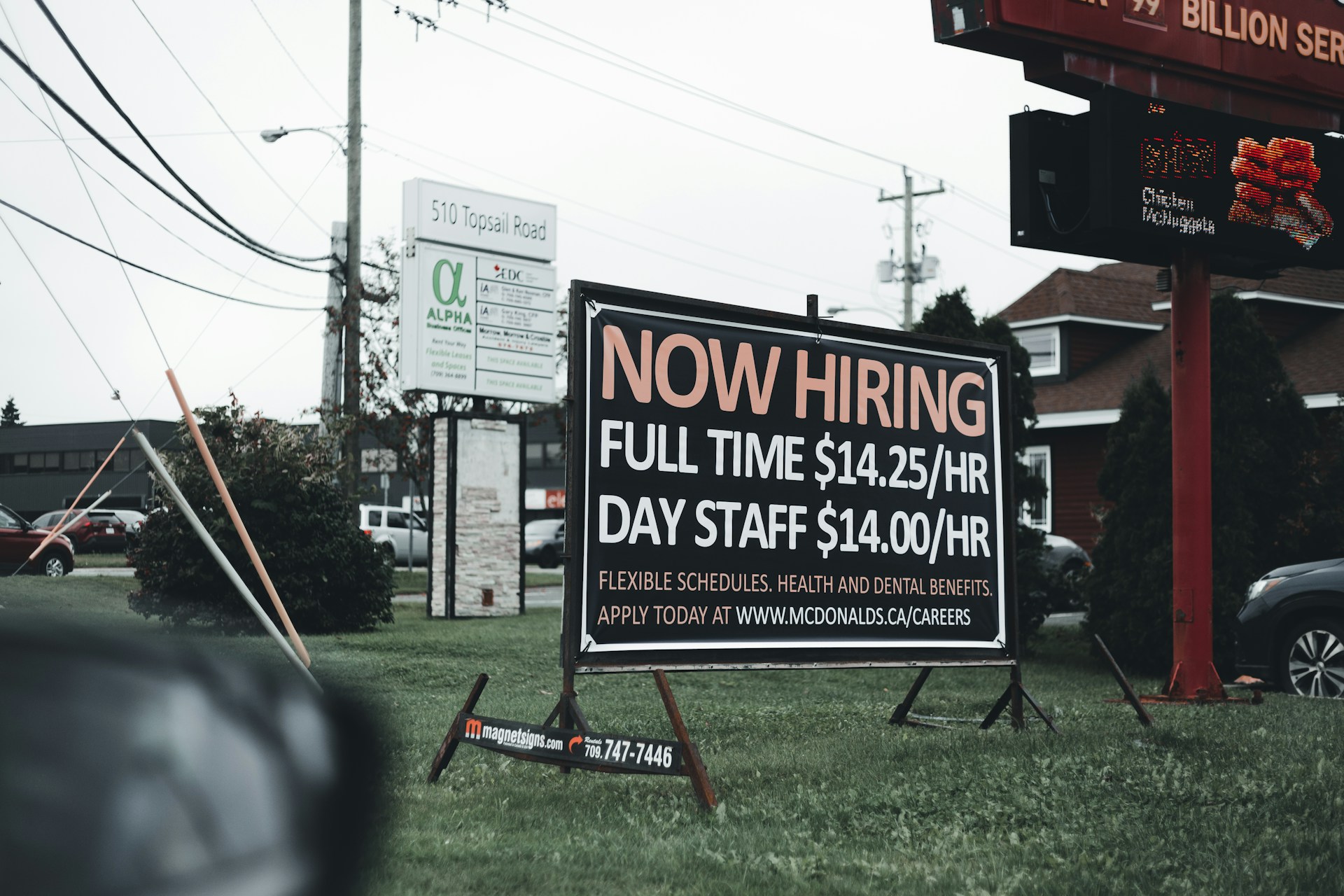
Seasonal Jobs Hiring Now: The Ultimate 2026 Guide to Fast, Flexible Work
There is a particular kind of job search that does not require a five year plan. Maybe you need extra cash before the holidays. Maybe you are a student home for summer break. Maybe you just left a job and want something to bridge the gap without signing up for another year long commitment. Whatever brought you here, the good news is simple: seasonal jobs hiring now are everywhere, and they are some of the fastest, least complicated positions to land in the entire job market.
Seasonal work has a reputation problem it doesn’t fully deserve. People picture minimum wage retail shifts and nothing else. In reality, seasonal hiring spans warehouses, resorts, farms, tax offices, summer camps, theme parks, and delivery fleets, often at pay rates that beat plenty of permanent entry level jobs once shift differentials and bonuses are factored in. This guide breaks down exactly where the openings are right now, what they pay, and how to actually get hired before the best shifts disappear.
What Counts as a Seasonal Job, Exactly?
Before jumping into where to apply, it helps to define the term, because seasonal gets used loosely across job boards.
A seasonal job is any position tied to a specific, recurring window of demand rather than year round staffing needs. That includes:
- Retail and holiday roles, store associates, gift wrappers, and stock help during November and December
- Warehouse and logistics roles, package handlers, sorters, and delivery drivers during peak shipping windows
- Tourism and hospitality roles, resort staff, lifeguards, tour guides, and hotel workers during summer or ski season
- Agricultural roles, harvest workers and farmhands tied to growing seasons
- Event and camp roles, camp counselors, festival staff, and amusement park employees during summer
- Tax season roles, seasonal clerks and preparers hired from January through April
These jobs typically run a few weeks to a few months, come with a defined end date, and importantly often repeat every year, which means a good seasonal employer can become a reliable, recurring source of income if you play it right.
Seasonal Jobs Hiring Now: The Industries With the Most Openings
Not every seasonal category is created equal in terms of volume or pay. Based on current hiring trends, these are the categories where the doors are open widest right now.
Warehouse and Logistics
This remains the single biggest seasonal hiring engine in the country, especially as the industry gears up for the year’s busiest shipping window. Warehouse and logistics roles during peak season typically pay $18 to $28 an hour with overtime, and demand climbs sharply from August through December as retailers stock up for the holidays.
Retail
Traditional store roles, sales associates, stockers, and seasonal cashiers remain a dependable option, with hiring typically kicking off six to ten weeks before peak shopping season. Retailers have historically added several hundred thousand seasonal positions industry-wide for the holiday stretch alone, making this one of the most predictable seasonal categories year after year.
Hospitality and Tourism
Summer is prime season for hotels, resorts, and restaurants, with roles ranging from front desk staff to servers to camp counselors. Many of these positions come with perks like free meals, staff housing, or seasonal bonuses that offset the lower base pay.
Agriculture
Harvest season creates a steady stream of farm and orchard work, particularly in regions with defined growing calendars. These roles tend to be physically demanding but often pay a premium for reliability and speed.
Delivery and Package Handling
Beyond warehouse floors, seasonal delivery driver roles spike heavily in the fourth quarter as shipping volume surges. These roles frequently pay some of the highest hourly rates in the seasonal category, particularly for CDL endorsed or experienced drivers.
Tax Preparation and Administrative Support
Not every seasonal surge happens around the holidays. Tax season creates a smaller but steady wave of seasonal clerical and preparer roles from January through April, often with government agencies and accounting firms alike.
Seasonal Hiring Calendar: When Demand Peaks by Month
Timing your job search matters just as much as picking the right industry. According to Indeed Flex’s seasonal hiring guide, demand shifts predictably throughout the year, and knowing the calendar means you can apply before the rush rather than after it.
January–February
Demand Level:medium
What’s Driving It:Tax season, post-holiday retail returns.
March
Demand Level:Low
What’s Driving It:Transition period between seasons
April–May
Demand Level:Medium
What’s Driving It:Spring hiring, early summer prep
June–August
Demand Level:High
What’s Driving It:Summer tourism, camps, agriculture, theme parks
September
Demand Level:High
What’s Driving It:Early holiday hiring begins
October–November
Demand Level:Very High
What’s Driving It:Peak holiday retail and logistics hiring
December
Demand Level:Very High
Demand Level:Final holiday rush, extended hours
Major employers typically begin recruiting four to eight weeks before their peak season starts, so applying the moment postings open gives you first pick of shifts and locations.
Companies Hiring Seasonal Workers Right Now
It helps to have real names to search for instead of vague categories. Several major employers post seasonal roles like clockwork, year after year, in predictable volumes:
Amazon : Consistently one of the largest seasonal employers in the country, staffing fulfillment centers, sortation sites, and delivery stations, with hiring typically ramping up two to three months before major holidays.
UPS : Hires heavily for package handlers, driver helpers, and seasonal drivers ahead of the holiday shipping surge, with pay historically running higher than many comparable warehouse roles.
FedEx : Brings on seasonal pickup-and-delivery drivers and warehouse staff for the peak shipping window, typically from late November through late December.
Target : Adds seasonal staff across stores and supply chain facilities for the two-month holiday stretch, with current employees often offered extra hours as well.
Kohl’s : Runs a dedicated seasonal hiring program each year for both retail sales associates and distribution center material handlers.
USPS : Brings on seasonal mail handlers and clerks to manage the holiday mail surge, though volumes vary year to year based on staffing needs.
DHL Supply Chain : Expands warehouse and equipment operator staffing to manage rising holiday volumes, often pairing new hires with automation upgrades.
For a comprehensive, government-maintained listing beyond these familiar names, the U.S. Department of Labor runs SeasonalJobs.gov, a free national database specifically built to connect job seekers with verified seasonal and temporary openings across every state and industry.
What Seasonal Jobs Actually Pay in 2026
- Pay varies widely by industry, location, and shift, but current data gives a solid baseline for what to expect.
- General seasonal work averages roughly $18 an hour nationally, with most workers earning between $14 and $18 depending on location and employer.
- Warehouse and logistics roles during peak season commonly pay $18 to $28 an hour once overtime is factored in.
- Forklift-certified warehouse workers typically earn $3 to $5 more per hour than non-certified peers doing similar work.
- Night shifts, weekends, and holiday shifts frequently pay 15% to 50% more than standard daytime rates.
- Specialty gig work, like event bartending on major holidays, can pay several hundred dollars in a single night when tips are included.
If you’re weighing multiple seasonal offers, don’t just compare the base hourly rate, factor in shift differentials, holiday pay, and any sign-on or completion bonuses, since those can meaningfully change your total earnings over a short season.
Can a Seasonal Job Turn Into a Permanent One?
This is one of the most underappreciated advantages of seasonal work: it’s often a legitimate audition for a full-time role. Many large employers use seasonal hiring specifically to identify future permanent staff, with conversion rates from seasonal to permanent typically landing somewhere between 20% and 40% depending on the company and role.
A few things tend to separate the seasonal workers who get converted from the ones who don’t:
- Reliable attendance. Showing up on time, every shift, is consistently the single biggest factor supervisors mention when deciding who to keep.
- Clear communication. Letting your supervisor know early that you’re interested in staying on gives them a reason to consider you when permanent openings appear.
- Willingness to learn quickly. Seasonal roles move fast, and workers who adapt without needing constant hand-holding stand out immediately.
- A positive attitude under pressure. Peak seasons are stressful by design, staying calm and cooperative during the busiest shifts leaves a lasting impression.
How to Land a Seasonal Job Fast
Once you know where to look, the actual application process is refreshingly straightforward compared to more traditional hiring. Still, a few strategies noticeably speed things up:
- Apply as soon as postings open. Seasonal roles at major employers routinely fill within minutes of being posted, especially at popular locations.
- Be flexible on shifts and locations. Distribution centers and seasonal venues often need workers willing to travel slightly further or take less popular shift times, and that flexibility dramatically widens your options.
- Keep your resume simple and current. Seasonal employers care far more about reliability and availability than a polished career narrative, list your availability clearly and keep the format easy to scan.
- Use text and app-based alerts. Several major employers, including Amazon, let you sign up for job alerts by text, which puts new postings in front of you before the general public even sees them on a job board.
- Attend in-person hiring events. Many retailers and logistics companies run walk-in hiring days during ramp-up periods, and same-day offers are common at these events.
- Have your paperwork ready. ID, work authorization documents, and banking information for direct deposit can all be requested at or shortly after your interview — having them ready avoids delays in your start date.
Common Mistakes That Slow Down Seasonal Job Seekers
Even in a hiring environment this open, a few avoidable habits trip people up:
Waiting until the season has already started. By the time headlines announce “holiday hiring is here,” the best shifts and locations are often already claimed.
Only applying to one company. Seasonal roles move fast, and spreading applications across two or three employers in the same category dramatically improves your odds of landing an offer quickly.
Ignoring physical demands. Many seasonal roles, especially in warehouses and agriculture, are physically intensive, being honest with yourself about stamina requirements avoids a miserable first week.
Skipping the fine print on hours. Some seasonal postings promise “up to” a certain number of hours per week without guaranteeing them, ask directly about minimum guaranteed hours before accepting.
Not asking about conversion opportunities upfront. If a permanent role is your real goal, say so during the interview — it can influence which shifts and departments you’re placed in.
Frequently Asked Questions
What are the best seasonal jobs hiring now?
Warehouse and logistics roles, retail associate positions, and hospitality jobs tend to have the highest volume of current openings, with warehouse and delivery roles generally paying the most per hour.
When should I start applying for holiday seasonal jobs?
Major employers typically begin posting holiday roles in August and September, with hiring peaking through October and November. Applying as soon as postings open gives you the best shot at preferred shifts and locations.
Do seasonal jobs offer benefits?
Most seasonal positions don’t include long-term benefits like health insurance, but many employers offer perks such as employee discounts, meals, transportation stipends, or performance bonuses during the season.
Can a seasonal job turn into full-time work?
Yes, frequently. Many large employers use seasonal roles specifically to evaluate future full-time staff, and conversion rates commonly fall between 20% and 40% for reliable, high-performing seasonal workers.
Are seasonal jobs only available during the holidays?
No. While the fourth quarter is the biggest hiring window, seasonal demand also spikes for summer tourism and camps, spring hiring, agricultural harvests, and tax season roles from January through April.
Do seasonal jobs require experience?
Most do not. Seasonal roles are generally designed for fast onboarding, and employers prioritize reliability, physical stamina, and a willingness to learn over specific prior experience.
Also Read 👉Best Websites for Finding Companies Hiring Now: 2026 Ranked Guide
The Bottom Line
Seasonal work has quietly become one of the most accessible, flexible corners of the job market, and it’s not just a stopgap for students anymore. Whether it’s a warehouse floor gearing up for the holiday rush, a resort staffing up for summer, or a tax office bringing on seasonal help each spring, seasonal jobs hiring now offer real pay, real flexibility, and, for the workers who show up reliably, a genuine shot at something permanent.
Pick the season and industry that fits your schedule, apply the moment postings open, and treat the role as an audition rather than just a paycheck. That mindset is often the difference between a few weeks of extra income and the start of a long-term job.
About the Author:
Henry Mbah, is a career and education writer specializing in international jobs, scholarships, visa sponsorship opportunities, and career guidance. Passionate about helping readers access reliable information to achieve their education and employment goals.